Earlier this month, like most Americans, my family and I celebrated the 250th birthday of our nation. It’s remarkable to realize that the United States is the first nation founded not simply on ties of blood, ancestry, or land, but on a declaration of universal principle: that all of us are created equal and endowed by God with the rights to life, liberty, and the pursuit of happiness. Although we’re always working to perfect the state of our union, we’re right to take pride in the free, strong, and prosperous nation our Founders created.
As Americans, the freedoms we cherish are secured by self-government. And despite frequent allusions to “our democracy” in recent years, I sometimes wonder whether we really think enough about all that effective self-government demands.
True self-government is not simply a matter of voting. Nor is it merely a matter of civic engagement. History reveals that liberty is fragile; misguided citizenries have, from time to time, elected leaders who eventually curtailed their freedoms or denied them altogether. So how can we do our part, in our time, to ensure that self-government will continue to flourish for those who succeed us?
For the past 250 years, the success of the American experiment has depended on informed citizens: people who have the facts and analysis necessary to exercise sound judgment and hold their government accountable. Because of the ubiquity of social media and cable news, many of us tend to think of Washington first. But in truth, most people experience self-government primarily through the decisions made by our state and local officials.
Yet these are often the very decisions that receive the least public scrutiny. State budgets, regulations, and legislation can be difficult for busy citizens to follow, even though they profoundly affect everyday life.
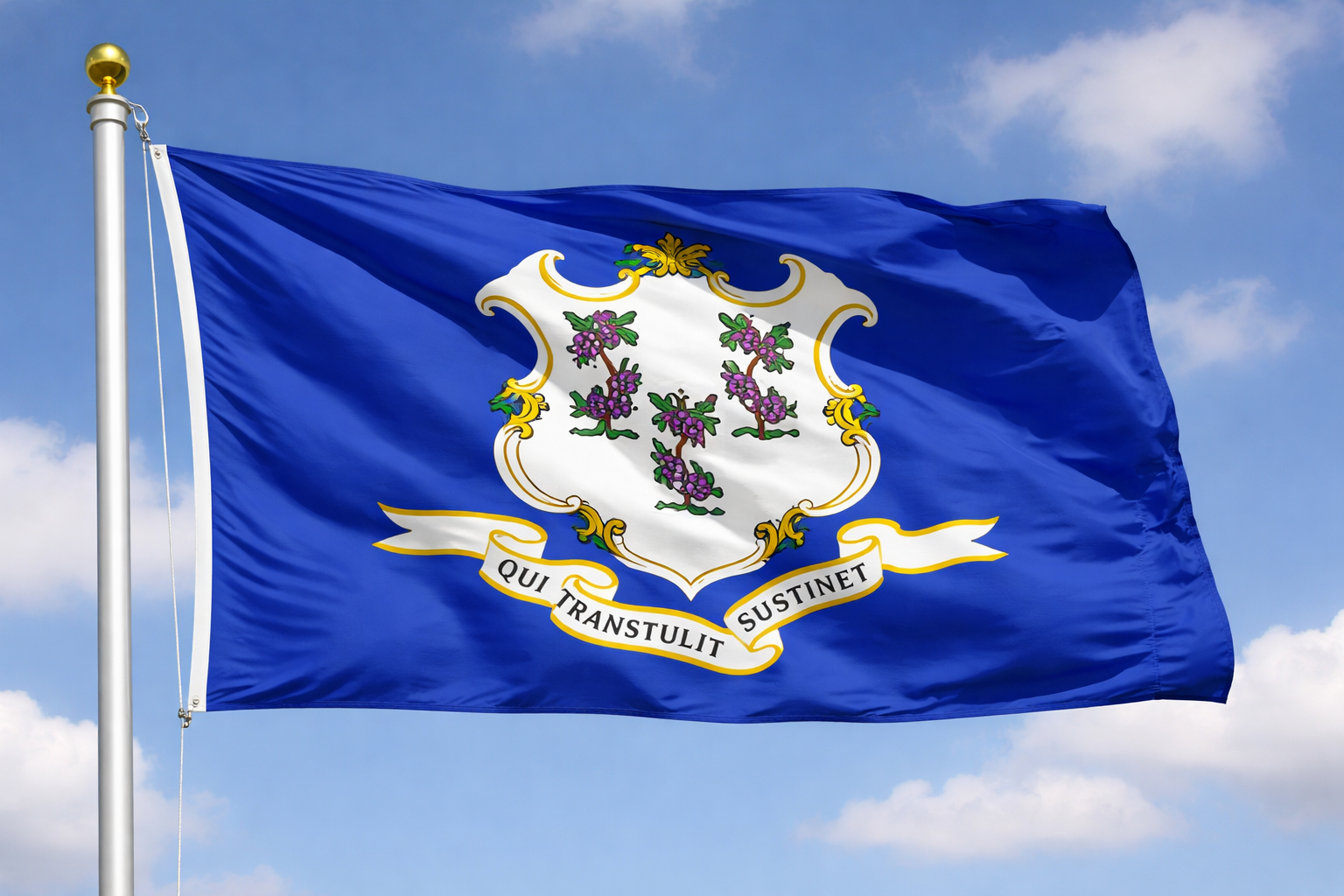
That’s why it’s vital that Connecticut’s civic infrastructure includes an institution that investigates, analyzes, explains, and communicates. People across our state need and deserve clear, trustworthy information about what government close to home is doing in their name and what it means for them.
Providing that information is at the heart of Yankee Institute’s mission. We’re dedicated to exposing hidden costs, revealing unintended consequences, advancing workable alternatives, and equipping citizens with the plain-English information Connecticut’s people need to help keep our state affordable, livable, and workable. We exist to provide the facts that let our state’s residents exercise the sound, independent judgment that enables self-government to flourish.
As America marks the 250th anniversary of our founding, we’re reminded that our way of life isn’t self-sustaining. It requires attention, care, and stewardship. And it depends on informed citizens—and institutions committed to telling them the truth. Only then can people evaluate competing claims, resist demagoguery, recognize tradeoffs, and hold our leaders accountable.
At Yankee Institute, it’s our honor to work in partnership with you — our friends and supporters across one of America’s original states. Together, we can help ensure that Connecticut’s people have the trustworthy information they need to exercise sound judgment. And with informed citizens, Connecticut’s best days need never be behind us.